Your operation requires regular sanitation protocols tailored to specific risks, processing volumes, food allergens, and regulatory visits, including verifiable documentation validating HACCP requirements, inspection compliance, and health department standards. The details below give guidance on sanitation program requirements.
Essential Summary
- Food safety cleaning professionals from Brampton support restaurants, grocery departments, commissaries, warehouses, bakeries, schools, mobile vendors, and allergen-sensitive operations.
- They clean high-touch surfaces, food-contact equipment, kitchens, floors, drains, restrooms, and storage areas using sectional methods to eliminate cross-contamination.
- Checking of proper chemical concentration, suitability, and contact time is executed by certified contractors, with completion recorded using swabs, assessments, and correction logs.
- Daily, regular, and cyclical operations allocated by location make up maintenance calendars built on risk, output capacity, format changes, incidents, and requirements.
- Providers need to exhibit HACCP, sanitation competency, safety training instruction, coverage, testimonials, colour-coded equipment, and compliance-ready sanitation files.
Food Safety Cleaning Requirements for Brampton Venues
Food safety cleaning is mandatory for any Brampton facility that manages, stores, prepares, packages, or distributes food. Apply it to your business if it comes under public health inspection, food premises regulations, or internal HACCP-based controls. This includes eateries, cafes, warehouses, supermarket areas, meat markets, fish stands, convenience outlets, and institutional food areas.
You'll equally need proper hygiene protocols in warehouses, food manufacturing plants, cold storage sites, retail bakeries, school nutrition programs, banquet halls, and meal delivery hubs. Seasonal and mobile ventures count as well, examples being food trucks, event sellers, and temporary stalls. If your workers work with ingredients, section ready-to-serve foods, heat meals, or keep allergens stored, your location requires written cleaning standards. In Brampton, sanitation stays compulsory; it forms statutory, functional, and public health compliance.
What Do Brampton Cleaning Experts Clean?
You require experienced cleaning professionals who disinfect high-touch surfaces, cooking areas, flooring, and restroom facilities to ensure compliance with food safety and health standards. These areas are targeted due to their high cross-contamination potential, slip and fall dangers, and health code violations.
When you know their cleaning scope, you can ensure your operation's cleaning procedures satisfy compliance and operational standards.
Sanitizing High-Touch Points
determine how frequently each zone is sterilized
swabbing procedures to validate sterilization efficacy
Kitchens, Floors, and Restrooms
Professional cleaners in Brampton prioritize kitchens, floors, and restrooms given that each location involves specific contamination control, falling hazards, and health code requirements. In industrial kitchens, you need grease removal from cooking stations, appliance surfaces, drain systems, preparation areas, and backsplashes to minimize contamination and pest pressure.
Professional floor care with documentation is also included. is likewise provided as part of the service.
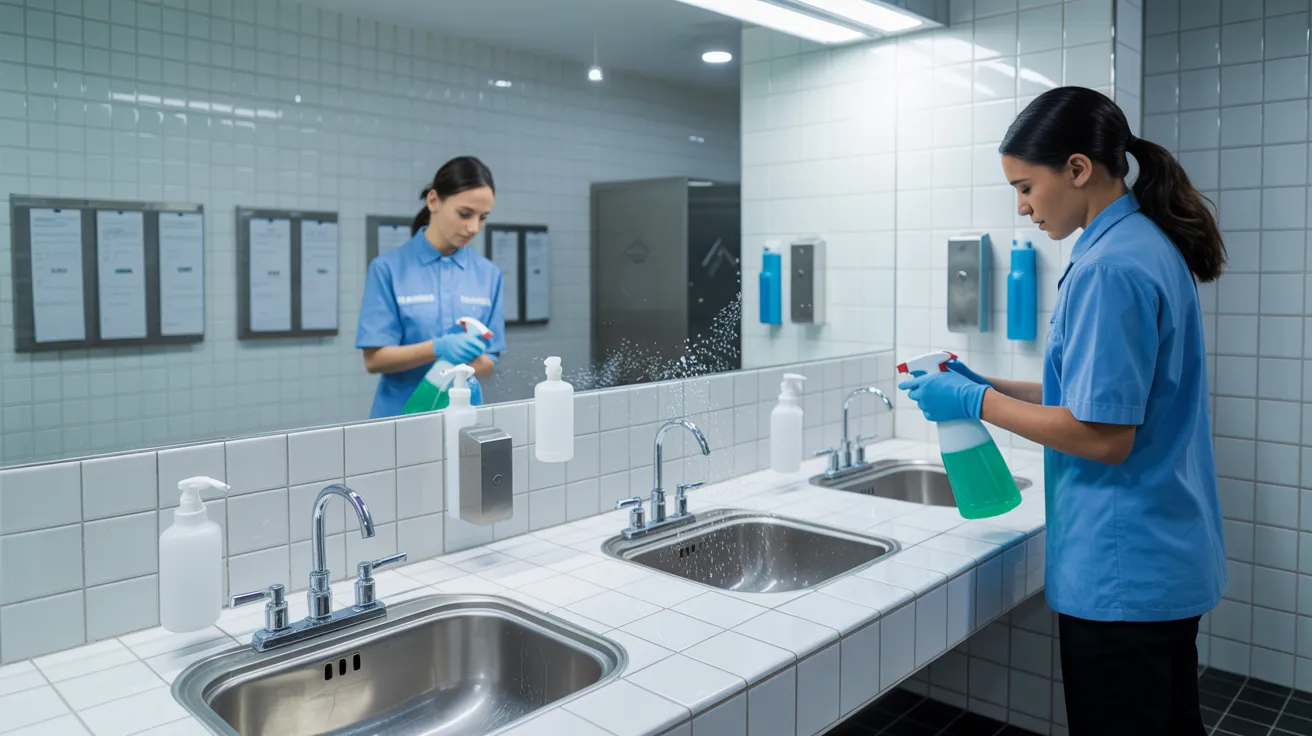
Restroom sanitation involves sanitizing touchpoints, fixtures, partitions, dispensers, and waste containers, restocking supplies and controlling odours. They also maintain restaurant cleaning supply rooms where product storage, sink cleanliness, and drain systems impact daily sanitation standards and worker protection.
Food Safety Cleaning Significance for Brampton Businesses
In Brampton, you must maintain food-safe cleaning standards to satisfy regulatory standards and pass inspections. You also minimize cross-contamination by cleaning and sanitizing food-contact surfaces, equipment, and high-touch areas correctly. Most importantly, you safeguard public health by lowering the risk of foodborne illness in your facility.
Health Code Compliance
Since Brampton food establishments must follow rigorous sanitary regulations, your cleaning procedures directly impacts your ability to meet health codes, protect diners, and eliminate regulatory penalties. professional advice You must maintain hygienic food handling zones, written maintenance records, correct sanitizer application, and traceable training practices that comply with municipal and provincial inspection expectations.
When inspectors evaluate your operation, they check whether your sanitation system supports safe storage, equipment sanitation, refuse management, and facility cleanliness.
Cross-Contamination Prevention
Maintaining health code standards copyrights on your power to stop cross-contamination during daily food handling and cleaning. You must separate raw ingredients from ready-to-eat foods, sanitize prep surfaces between tasks, and position cleaning agents away from food surfaces. Explicit protocols lower contamination threats and support consistent compliance during inspections.
You could implement allergen segregation to stop main allergens from reaching shared surfaces, containers, or equipment. Use dedicated cutting boards, color-coded tools, and rigorous tool identification so staff don't mix items during preparation or service. Enforce washing hands following uncooked meat, fish, egg products, or allergens. Change wiping cloths regularly, and check sanitizer strength with test strips. When you train staff to follow these controls every shift, you create a cleaner, safer operation that meets Brampton's food safety expectations daily.
Public Health Protection
When sanitation efforts weaken, you don't only face inspection setbacks—you raise the likelihood of foodborne illness affecting customers, staff, and the larger Brampton community. You also undermine your responsibility in safeguarding community wellness, especially in high-traffic food premises where pathogens travel quickly through surfaces, equipment, and touchpoints.
You require sanitation systems that eliminate soils, disinfect appropriately, and validate outcomes. This involves maintaining exposure durations, using authorized sanitizers, logging schedules, and educating staff to satisfy regulatory requirements. These measures prevent illness spread by minimizing pathogens before reaching surfaces or food. Throughout Brampton, effective sanitation safeguards susceptible populations, minimizes disease potential, and demonstrates your diligence. When you adhere to standards, you exceed regulations—you lower hazards and enable safer food service throughout the area.
How Does Cleaning Support Food Safety Compliance?
Comprehensive cleaning schedules ensure food safety compliance by minimizing contamination hazards, preventing pathogen multiplication, and maintaining your facility's adherence to sanitation requirements under HACCP-based programs and public health regulations. You confirm that contact surfaces appear visibly clean and microbiologically controlled, enabling documented preventive controls and inspection readiness.
Cleaning initiatives additionally bolster allergen prevention by clearing residues that can provoke undeclared allergen exposure.
Establishing When to Arrange Commercial Cleaning
food-contact surfaces, bathrooms, and high-contact areas
special occasions, catering services, or public events should arrange cleaning both [[before and following for successful event transition. Log timeframes, confirm completion, and revise schedules when hazards, volumes, or regulations shift
Selecting the Right Brampton Cleaning Experts: Key Considerations
Evaluate providers first by sanitation compliance standards rather than price alone. You must ensure each provider understands CFIA, public health, and HACCP-aligned expectations for your business. Request proof of insurance, WHMIS compliance, staff training documentation, and supervision methods. Check technician awareness of contamination prevention, chemical safety, and documented sanitation practices.
Additionally, you need to evaluate service dependability and accountability. Obtain references from Brampton food operations, then review response times, corrective measures, and communication standards. Verify the company supports supplier audits and can deliver inspection-ready documentation when inspectors or external parties need proof. Verify equipment is maintained, colour-coded tools are applied correctly, and location-specific dangers are identified. A qualified provider protects compliance, product integrity, and your reputation.
What does a cleaning and sanitation plan consist of?
Develop a written strategy that clarifies every sanitation task, standard, and responsibility before production begins. You should detail cleaning frequencies, approved chemicals, dilution rates, contact times, tools, and verification methods for each zone, surface, and piece of equipment. Incorporate pre-operational inspections, corrective actions, and employee training requirements.
Your strategy should also tackle cross-contamination controls, waste handling, pest-prevention measures, and documented schedules for restrooms, drains, floors, and food-contact areas. Outline how you'll distinguish between uncooked and prepared items, facilitate ingredient tracking, and keep accurate allergen labeling through validated cleaning between product changes. You should assign accountability, document signed records, and assess results against regulatory standards, HACCP controls, and customer requirements. When gaps appear, update procedures immediately and retrain staff.
Popular Inquired Questions
Do sanitation providers operate during nighttime hours at Brampton properties?
Yes, you can arrange sanitation coverage to accommodate overnight shifts in Brampton facilities. You'll coordinate overnight sanitation around operational schedules, security measures, and personnel needs. Services generally outline overnight procedures to reduce disruption, maintain compliance, and document completed tasks. You should verify arrival timeframes, supervision, access protocols, and disposal methods before service begins.
Can Brampton cleaning experts manage emergency spill response?
Yes, you can discover many Brampton cleaning professionals providing spill response services. They handle hazardous incidents, assess dangers, isolate contamination, and initiate rapid cleanup to reduce risk and avoid operational impact. You should confirm timeframes, credentials, PPE measures, and disposal methods. If your facility must meet compliance standards, select a service that tracks incidents, follows procedures, and ensures audit compliance.
Are eco-friendly disinfectants safe for food preparation areas?
Yes, eco-friendly disinfectants can be safe for surfaces contacting food if you select products labeled food safe and complying with regulations. You should check exposure duration, mixing proportions, and rinse procedures before application. Many natural-based solutions lower harsh chemical exposure, but you must obtain demonstration of efficacy against specific pathogens. To keep surfaces residue-free, you should adhere to manufacturer instructions exactly and ensure the disinfecting agent satisfies food sanitation requirements.
Do maintenance plans support seasonal variations?
Certainly, cleaning schedules adjust to seasonal shifts readily. Modify frequencies, staffing, sanitizers, and verification steps to align with operational cycles while upholding regulatory requirements. Lower production interruptions by organizing sanitization amid production shifts, peak volumes, and usage patterns. Further update procedural documents, staff education, and environmental testing to address temporary risks, emerging allergens, or higher contamination levels. Regular reviews preserve the plan functional.
Are professional cleaning companies offering staff training on sanitation best practices?
Yes, professional cleaning services often train your staff on sanitation best practices. You receive staff training on proper chemical use, exposure periods, contamination control, machine breakdown, and record keeping. They typically align training with HACCP, GMP, and CFIA or regional health department regulations. Many perform hygiene inspections to confirm adherence, identify gaps, and reinforce corrective actions. This allows you to sustain uniform processes, pass inspections, and reduce food safety risks daily.
Conclusion
Partnering with Brampton commercial cleaning and food safety experts means more than cleaning—it guarantees your operation stays inspection-compliant and your protocols are defensible. From processing facilities to kitchens, each sanitized surface and maintained corner reduces health hazards and prevents major expenses. By arranging service at suitable frequencies and implementing a thorough cleaning program, you shield staff, clients, and your image. In a tightly controlled market, clean environments are non-negotiable—they're vital to proper management.